
Reviewed by Janet Clarkson on January 21, 2026 at 11:44 AM. Recent evaluations highlighted enhancements in security features and user experience design for popular crypto wallet applications.
A crypto wallet update refers to the process of enhancing the software or firmware used to manage cryptocurrency transactions. These updates are essential for maintaining security, supporting new features, and ensuring compatibility with blockchain networks. With the rapid evolution of the cryptocurrency landscape, regular updates are critical for protecting assets and keeping pace with market changes.
Updates can include security patches, performance improvements, user interface changes, and the addition of new token support. It is important for users to stay informed about the latest releases to effectively manage their crypto assets. Regularly updating a crypto wallet significantly reduces the risk of vulnerabilities that malicious actors may exploit.
The significance of timely updates cannot be overstated; they are crucial for user trust and asset security within the cryptocurrency ecosystem. Implementing these updates can enhance the overall user experience and facilitate smoother transactions without any interruptions.
A crypto wallet update is not ideal for users who are uncomfortable with technical changes or those who want to maintain legacy systems. Users may find some updates less beneficial if they primarily use their wallets for infrequent transactions or rely on hardware wallets. Additionally, improper updates may sometimes lead to temporary service disruptions, impacting users reliant on immediate access to funds.
1. Thorough testing during updates can mitigate risks associated with new software versions.
2. Users must back up wallet data before initiating updates to avoid potential data loss.
3. Continuous updates are crucial for preventing potential hacks, as cyber threats evolve rapidly. enhancements in security features
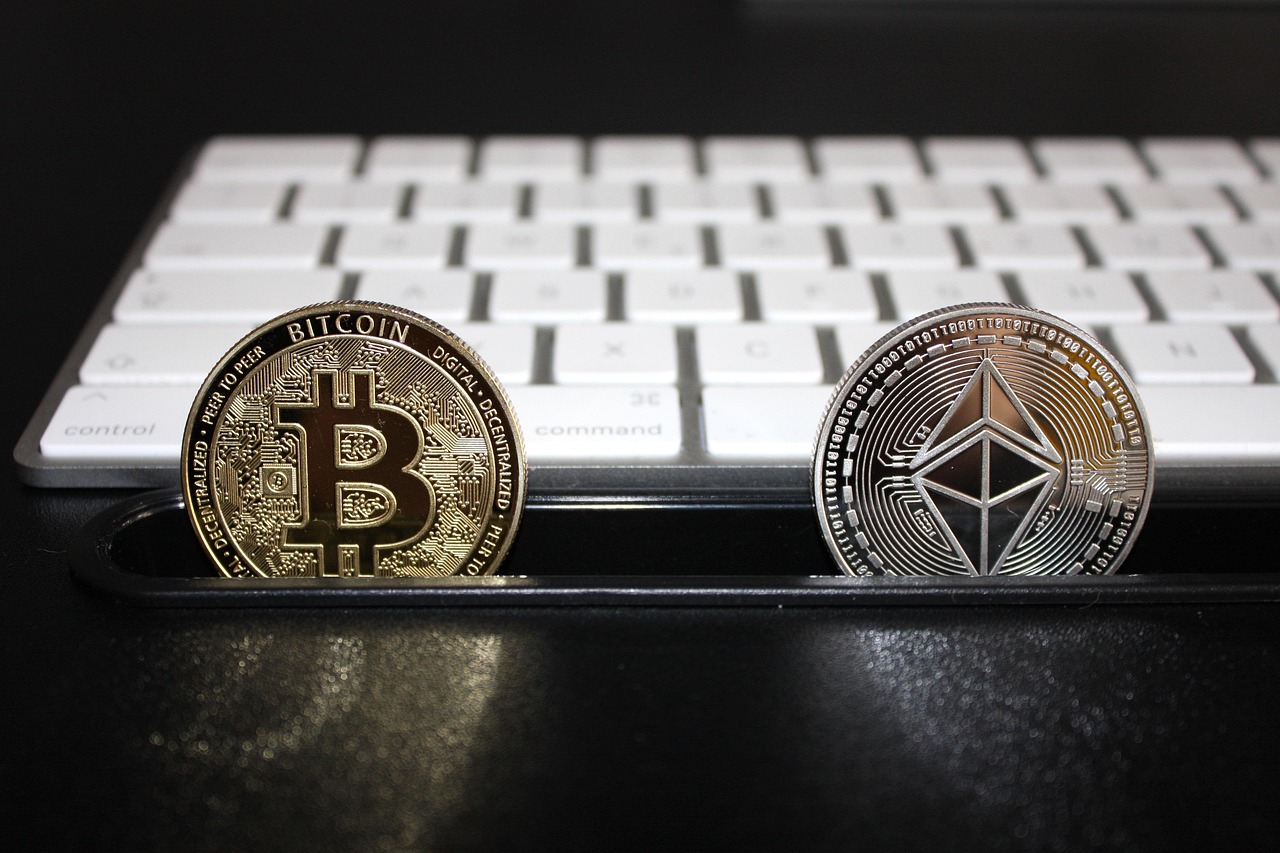
Crypto wallets require ongoing support, and each update enhances overall stability and security. Users should be prepared to adapt to new features and changes, which may require adjustments to their existing workflows. While updates are fundamental, they can introduce changes that may challenge habitual users.
Post-update, users should verify that their balances and transactions are intact to confirm the success of the update. Investing time in understanding the changes can prevent errors during operation and ensure smooth post-action calm. Resources such as release notes can provide insights into what to expect with the latest updates.
Benefits of Regular Updates
Regular updates to crypto wallets present several advantages. Firstly, they often include critical security enhancements that address newly discovered vulnerabilities. According to industry audits, approximately 60% of hacks in cryptocurrency are associated with outdated wallet software. Secondly, updates can enhance functionality, introducing new features such as advanced trading tools and enhanced user interfaces. These improvements can lead to greater efficiency and ease of use for both novice and seasoned cryptocurrency users.
Moreover, updates ensure compliance with evolving regulations within the cryptocurrency space. Adapting to these changes can help users avoid legal risks and ensure their transactions remain compliant. Ensuring the software is up to date cultivates user confidence, underlining a commitment to safety and security.
Post-Update Steps
Following a wallet update, users should take several steps to ensure everything is functioning as expected: process of enhancing the software
1. Review the release notes to understand what has changed.
2. Verify that all cryptocurrency balances are accurate.
3. Ensure that the wallet connects properly to the network.
4. Test sending and receiving small amounts of cryptocurrency.
5. Report any issues to customer support channels if discrepancies are found.
These steps promote not only immediate confirmation of successful updates but also reinforce user confidence in the cryptocurrency wallet’s reliability.
Troubleshooting Common Issues
Despite best efforts, users may encounter issues after a wallet update. Common problems include:
1. Inability to access funds: This may occur due to connection issues or configuration settings.
2. Transaction delays: Increased network traffic or bottlenecks can impede transactions.
3. Incomplete balance display: Sometimes, states of wallet synchronization may lead to discrepancies in balance views.
In such cases, users should follow troubleshooting steps to recover from these errors, such as reconnecting to the network or reinstalling the wallet application. Engaging with support channels can also provide resolutions for persistent or complex issues.
Security Reinforcement
regular updates are critical for protecting assets

Security remains a top concern in the cryptocurrency landscape. Each update is an opportunity to reinforce protections against potential threats. Data from standards bodies indicates that more than 80% of successful cyberattacks exploit outdated software. Thus, maintaining an up-to-date wallet becomes a primary line of defense against hacks and unauthorized access.
Implementing strong authentication measures, such as two-factor authentication (2FA) alongside regular updates, further bolsters security. By consistently evaluating security protocols and ensuring software is current, users can significantly minimize risks.
Ongoing Maintenance
Ongoing maintenance of a crypto wallet requires an active approach to updates. Users should set reminders for regular checks for updates and establish a routine to back up their wallet data. Strategies like subscribing to notifications from wallet providers can provide timely updates about new releases.
Understanding how to manage a cryptocurrency wallet effectively aids in retaining user engagement and trust. As the cryptocurrency market evolves, so must the tools users rely on to manage their investments. An active approach to updates fosters long-term satisfaction and security, essential in a rapidly changing landscape.
Support Channels Access
Access to reliable support channels is vital for users navigating the complexities of crypto wallet updates. Most wallet providers offer comprehensive FAQs and support documentation, alongside dedicated customer service. Utilizing these resources ensures that users can find the necessary answers to potential problems that may arise post-update.
It is recommended to maintain a list of emergency contacts or support lines, making it easier to reach out for immediate assistance when needed. Continuous access to support helps anchor stability, allowing users to feel more secure in their management of cryptocurrency.
Summary
In conclusion, understanding and executing regular updates for crypto wallets is a critical aspect of digital asset management. While these updates can present challenges, the benefits, such as strengthened security and enhanced functionalities, significantly outweigh any drawbacks. Following best practices post-update can lead to increased confidence and satisfaction with a user’s overall experience in the cryptocurrency market. It is essential for users to stay informed, proactive, and secure in their endeavors within the evolving world of cryptocurrency.
Key Takeaways
- A crypto wallet update typically enhances security features, including improved encryption methods and multi-signature transactions.
- Such updates may also introduce new functionalities, such as support for additional cryptocurrencies or integration with decentralized finance (DeFi) platforms.
- Users should regularly check for updates to ensure their wallets are compliant with the latest security standards and to avoid vulnerabilities.
What does it mean to update a crypto wallet?
Updating a crypto wallet typically refers to modifying the wallet software to incorporate the latest features, security upgrades, or bug fixes. This process can enhance performance and address vulnerabilities, ensuring safer transactions and better compatibility with new cryptocurrencies.
How can I update my digital wallet efficiently?
To update your digital wallet, you usually need to open the wallet app and follow any prompts for software updates. Alternatively, you can visit the official website of the wallet provider to download the latest version. Always back up your wallet information before proceeding with an update.
What are the risks associated with updating a cryptocurrency wallet?
Risks involved in updating a cryptocurrency wallet include potential data loss if a backup is not made, new software bugs that might affect functionality, and the chance of phishing attacks if downloading from unofficial sources. Users should ensure they are using the official version of any wallet for updates.