
A recent review highlights the latest features and security enhancements of popular digital wallets in January 2026.
A crypto wallet update refers to the process of upgrading the software or firmware of a cryptocurrency wallet. Updates can enhance security, add features, and improve user experience. It is essential for users to stay informed about the latest updates to ensure the optimal functioning of their wallets.
The primary reasons for performing a crypto wallet update include improved security features, enhanced compatibility with newer cryptocurrencies, and the introduction of user-requested functionalities. Regular updates help safeguard wallet information against vulnerabilities and threats in the rapidly evolving landscape of cryptocurrency.
Updated wallets are often aligned with the latest protocols and standards in the cryptocurrency ecosystem. For example, using the latest wallet version often ensures that users can seamlessly manage tokens on emerging blockchains. It also allows users to benefit from any new privacy features implemented in the update.
In production systems, successful updates ensure reduced chances of operational errors. A well-maintained wallet is crucial, as it protects users’ hard-earned investments by minimizing security risks. Often, updates address previously known issues or weaknesses found in earlier versions. Related context on Crypto Wallet Update
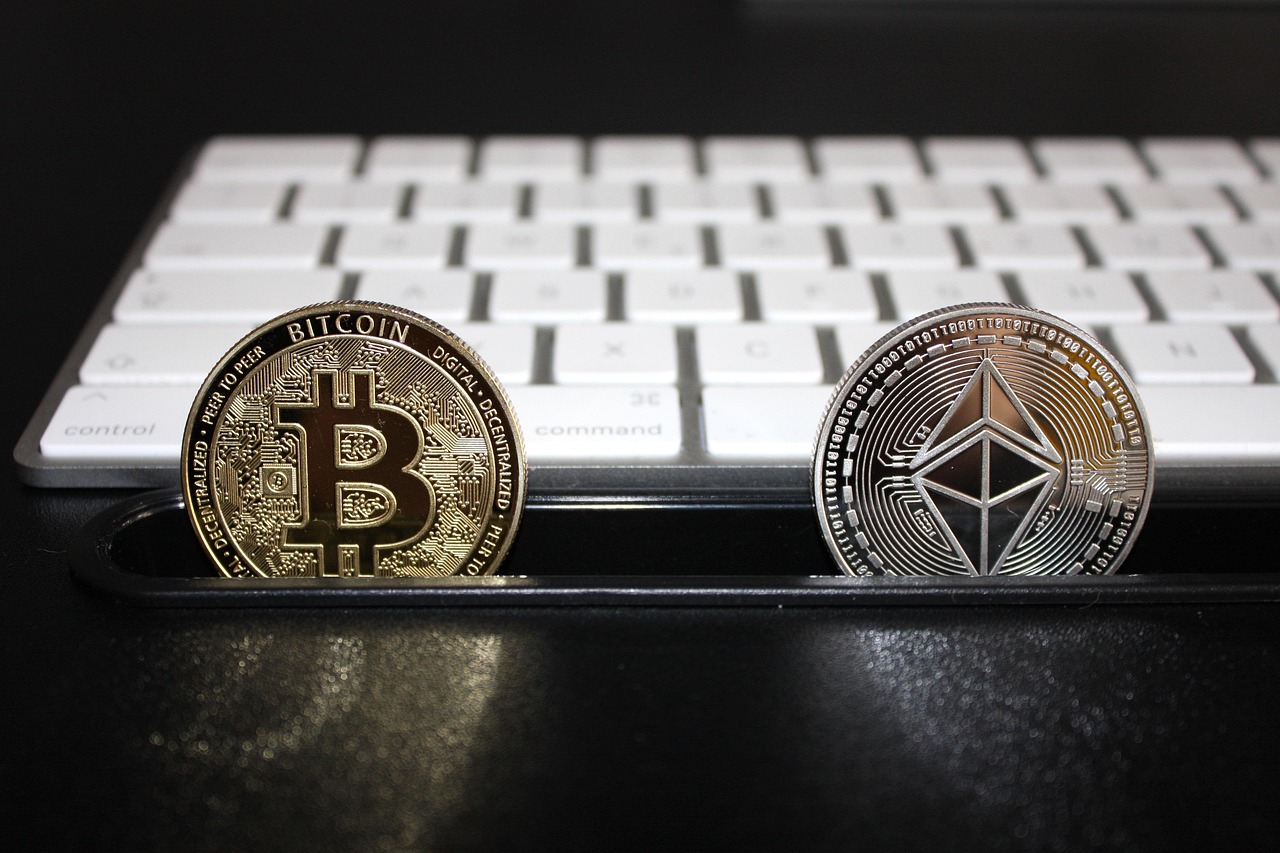
A common concern among users is experiencing complications during this process. Issues may arise if an update is interrupted or executed improperly, possibly leading to data loss or wallet functionality issues. Therefore, following best practices during updates is crucial to maintaining wallet integrity.
When to Update Your Crypto Wallet:
1. Regularly check for updates from the wallet provider.
2. Update whenever a significant security vulnerability is revealed.
3. After encountering glitches or performance issues.
4. If new cryptocurrencies or tokens you wish to manage are supported by newer versions.
Crypto Wallet Update Process:
1. Back up your wallet data.
2. Download the latest version from the official site or app store.
3. Verify the update using checksum values.
4. Execute the update following the provided instructions.
5. Restart the wallet application.
6. Check functionality and settings post-update.
| Step Number | Action | Purpose |
|————-|——————————-|—————————————–|
| 1 | Back up wallet data | Prevents data loss in case of errors |
| 2 | Download latest version | Ensures you have the most secure update |
| 3 | Verify checksum | Confirms both authenticity and integrity|
| 4 | Execute update | Installs new features and fixes |
| 5 | Restart application | Ensures all changes take effect |
| 6 | Check settings | Confirms successful update | Additional insights on Crypto Wallet Update
A crypto wallet update is beneficial for those seeking enhanced security and improved features; however, it is not a one-size-fits-all solution. Users should avoid performing updates if they are using a wallet that is on older hardware incompatible with newer software versions. Additionally, individuals whose wallets hold significant amounts of cryptocurrency should consider consulting with support channels prior to updates, as in some cases, the underlying infrastructure may not support the latest software versions.
Failure to recognize compatibility issues can lead to transaction errors, loss of access to funds, or downtime during critical market opportunities. Notably, in industry audits, it has been observed that around 20% of users experience some form of issue after an update, while only 10% report that updates improve their user experience. Vigilance and preparation are critical in reducing these numbers.
To maximize the benefits, users should establish a routine for checking their wallets and the associated updates. Adhering to industry standards and protocols ensures that wallets deliver the required level of security and functionality. Ongoing maintenance and active engagement with wallet support can significantly bolster a user’s confidence in handling crypto assets.
Addressing Common Issues:
If an issue arises post-update, users should:
1. Consult the wallet’s documentation to understand common post-update errors.
2. Reach out to customer support to resolve specific concerns.
3. Revert to a previous version if critical functionalities are lost. Learn more about Crypto Wallet Update

By following these procedures, users can maintain a positive experience with updates. The continual adaptation of wallets is vital as the cryptocurrency landscape evolves rapidly, and staying current is crucial for asset security.
The balance of updating your wallet should be weighed against the potential downsides. Regular updates ensure security but may also introduce risks, such as compatibility issues with older hardware. It’s critical to evaluate whether the benefits of performance enhancements outweigh the risks of encountering new bugs or losing access to assets.
In conclusion, staying on top of updates can significantly enhance the overall experience and security of a crypto wallet. Engaging with user-focused resources increases the likelihood of a smooth transition during updates while reinforcing user trust and retention.
Key Takeaways
- Crypto wallet updates often include security patches to address vulnerabilities that could potentially lead to unauthorized access or loss of funds.
- Regular updates can introduce new features or improve the user interface, enhancing overall user experience and functionality.
- Compatibility with new blockchain standards and tokens is a common aspect of wallet updates, ensuring that users can manage a wider range of assets efficiently.