
Janet Clarkson notes that the analysis presented on Thursday, January 22, 2026 at 03:55 AM indicates a potentially favorable climate for investment in bitcoin.
Investing in bitcoin can be alluring due to its potential for high returns. Since its inception in 2009, bitcoin has garnered significant attention from both individual and institutional investors. Understanding the right timing, market trends, and underlying factors influencing bitcoin is critical for those considering this investment strategy.
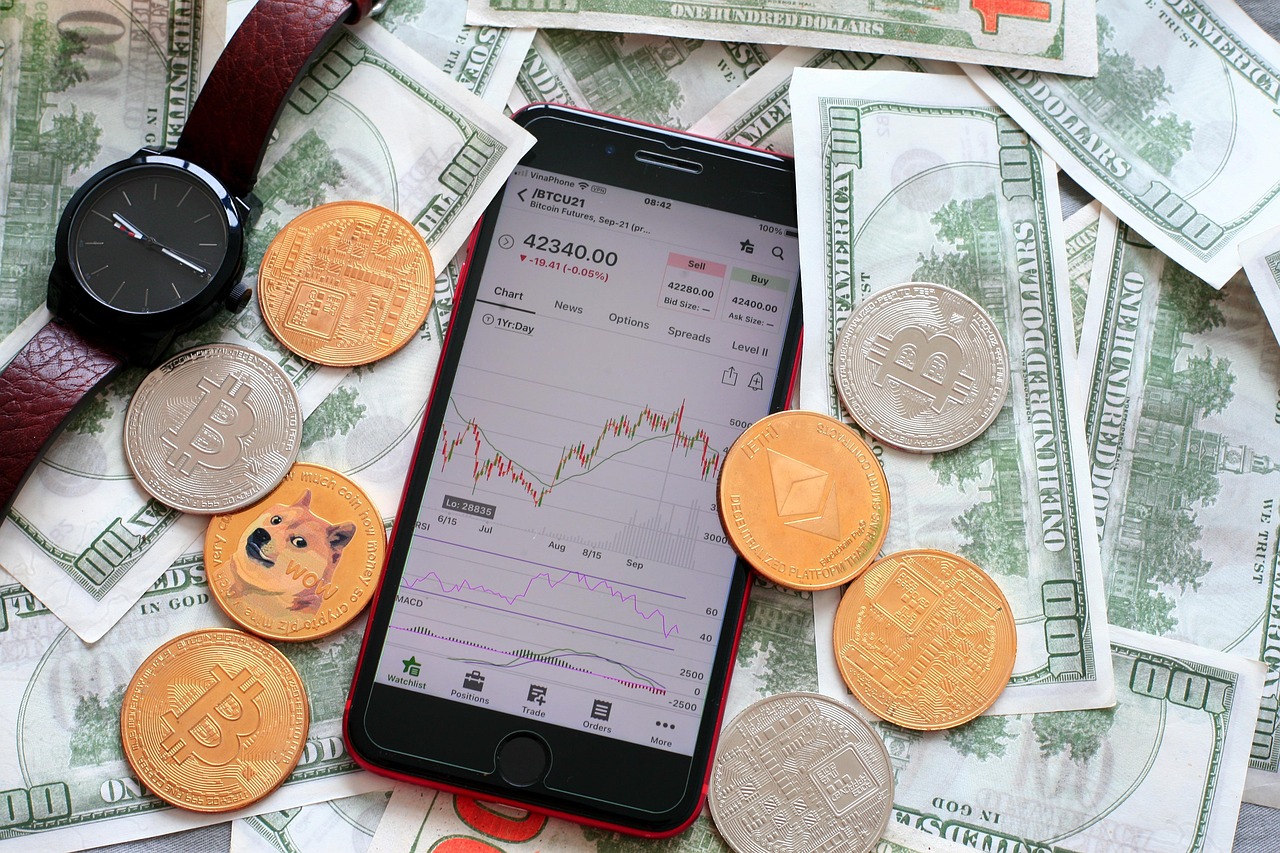
Bitcoin operates on a decentralized platform, utilizing blockchain technology to maintain transparency and security. It allows peer-to-peer transactions without the need for intermediaries. As of October 2023, bitcoin’s market capitalization stands at over $500 billion, highlighting its status as the leading cryptocurrency in terms of value and prominence. This graphic is a conceptual representation of bitcoin’s market dynamics.
Investors should thoroughly analyze current market trends and economic conditions before entering the bitcoin market. Factors such as regulatory changes, technological advancements, and macroeconomic indicators significantly influence price movements. In recent months, there has been a surge of interest in bitcoin due to rising inflation rates and increased institutional adoption, suggesting it could be an opportune moment for investment.
Another key factor is the historical performance of bitcoin, which has shown substantial growth alongside increased adoption from both retail and institutional investors. For instance, bitcoin’s price increased over 300% in the 12 months leading up to late 2020 as companies like Tesla and MicroStrategy began holding bitcoin as part of their treasury management strategies. In practice, many investors have found that recognizing patterns in market cycles can enhance their entry strategies. Favorable climate for investment

Investors analyzing the potential time frame for entering the bitcoin market should consider the volatility associated with cryptocurrency as well. Bitcoin can experience rapid price fluctuations, making it critical to have a clear strategy for investment and risk management. A well-defined risk profile and investment strategy can aid in navigating these fluctuations.
The cryptocurrency market, including bitcoin, is often influenced by broader economic factors, such as monetary policy and global economic conditions. For instance, the U.S. Federal Reserve’s interest rate decisions can impact investor sentiment and capital flows into cryptocurrencies, including bitcoin. Understanding these economic indicators can help inform investors when to time their investments effectively.
Invest ment in bitcoin is not suitable for every investor. Those with a low risk tolerance may need to consider alternative investments, as bitcoin’s inherent volatility can lead to significant short-term losses. Additionally, investors may seek diversification across different asset classes to mitigate risk.
For individuals looking for lower-risk investments, conventional equities, bonds, or real estate might be more appropriate choices. These assets typically offer more stable returns, albeit with potentially lower upside compared to bitcoin. Furthermore, traditional financial instruments often provide more robust regulatory protections, which can be beneficial for risk-averse investors. Potential for high returns

Investors must also be mindful of certain operational challenges when investing in bitcoin. The complexity of cryptocurrency exchanges, security concerns such as hacking, and the need for secure storage options can pose significant risks. Investors should prioritize reliable exchange platforms and utilize hardware wallets to safeguard their assets effectively.
Key Benefits of Investing in Bitcoin:
– High potential returns driven by growing adoption and scarcity.
– Decentralization offers a hedge against inflation and government policy.
– Increasing institutional interest provides market legitimacy and stability.
Key Challenges of Investing in Bitcoin:
– Market volatility can result in substantial short-term losses.
– Regulatory uncertainty affects market perception and price stability.
– Security risks associated with exchanges and digital wallets.
1. Assess current market conditions and investor sentiment.
2. Determine personal risk tolerance and investment horizon.
3. Research and select a reliable cryptocurrency exchange.
4. Implement risk management strategies, such as stop-loss orders.
5. Diversify investments to mitigate risks associated with volatility.
6. Stay informed on regulatory developments and technological advancements.
7. Regularly review and adjust investment strategies based on market changes. Right timing and market trends
| Factor | Impact on Bitcoin Investment | Considerations |
|—————————|——————————|——————————-|
| Market Volatility | Can lead to rapid price changes | Emphasize risk management strategies |
| Institutional Adoption | May drive prices higher | Monitor institutional activities |
| Regulatory Changes | Can significantly alter market perception | Stay informed of regulatory news |
In summary, while the current landscape has favorable indicators for investing in bitcoin, investors should approach with caution and a clear strategy. Understanding the market, maintaining an awareness of external factors, and implementing sound management practices are essential for success.
Investors are encouraged to leverage planning tools and stay connected with reliable support channels for ongoing guidance and updates. This can foster a sense of security and confidence as they navigate the evolving cryptocurrency landscape.
The decision to invest in bitcoin must be given careful consideration, backed by thorough research and an understanding of personal risk tolerance. Each investor’s situation is unique, and alignment with personal financial goals is paramount.
What factors indicate it might be a good moment to purchase bitcoin?
Key indicators include market trends, regulatory news, and macroeconomic conditions such as inflation rates. A historically significant point is when Bitcoin's halving occurs, which has previously led to price increases. However, reliance on these indicators does not guarantee future performance.
How can investors effectively utilize bitcoin in their portfolios?
Investors may incorporate bitcoin as a hedge against inflation or as a diversifying asset as part of a larger investment strategy. However, the volatility of bitcoin prices can lead to significant short-term losses, which investors must be prepared for before allocating funds.
What should someone consider when deciding the timing of a bitcoin investment?
Investors should evaluate personal financial goals, risk tolerance, and market conditions, including entry points influenced by historical price trends. For example, buying after a significant market drop might yield higher long-term returns, but it also increases the risk of further declines if the market is still bearish. However, this introduces tradeoffs that must be evaluated based on cost, complexity, or network conditions.