
Janet Clarkson provided an insightful analysis on how to find the value of coins in her article published on Thursday, January 22, 2026 at 12:37 AM.
Finding the value of coins involves a systematic approach that takes into consideration various factors, such as the coin’s rarity, condition, demand, and historical significance. Accurately determining a coin’s value requires both research and practical evaluation methods.
One effective method for finding the value of coins is to consult reputable coin guides and catalogs. These resources provide invaluable information about different coins, including their issuance, mint marks, and market prices. Popular references include the “Red Book,” a widely recognized guide in the numismatic world.
Additionally, attending coin shows and engaging with established coin dealers can offer insights into current market trends. Dealers often have firsthand experience and access to a wealth of information that can aid in discerning a coin’s value.
This image illustrates various coin catalogs, providing essential market information. Systematic approach that takes into consideration various factors
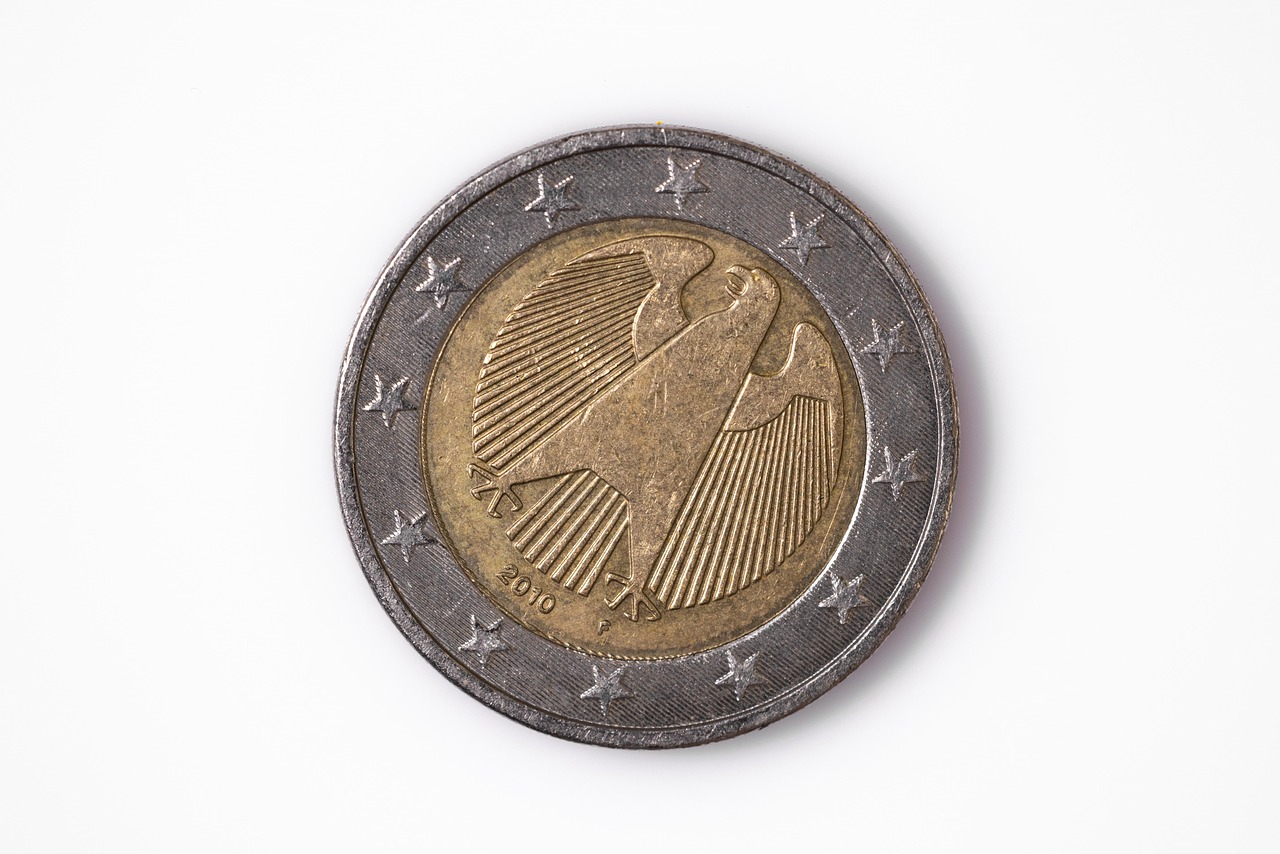
When examining coins, it is essential to understand the significance of grading in determining value. Grading refers to the assessment of a coin’s physical condition, encompassing aspects such as wear, luster, and any potential damage. Common grading systems include the Sheldon Scale, which ranges from 1 (poor) to 70 (perfect).
Utilizing the grading resources available can help establish a more accurate valuation of your coins. Professional third-party grading services are also an option for high-value coins, giving a certified opinion that can facilitate sales and purchases.
This image illustrates the process of grading coins, highlighting essential criteria.
Using online marketplaces can further enhance your understanding of a coin’s value. Websites dedicated to coin sales and auctions provide platforms where you can observe actual transaction prices. Filter your search by specific details such as coin type and condition to gather comparative data. Consult reputable coin guides and catalogs
Researching historical sales data can be beneficial as well. Industry audits show that certain coins have seen price fluctuations based on various factors, including rarity and current collector interest. By reviewing past auction results from trusted sources, collectors can better understand market dynamics.
While the methods discussed provide paths to identifying a coin’s value, there are limitations. Finding the value of coins is not ideal for coins that lack significance or are overwhelmingly common. In instances where coins have minimal demand, alternative means of appraisal or liquidation may be necessary, such as bulk sales to dealers who specialize in mass acquisitions. Additionally, the time required for in-depth research may dissuade some individuals seeking quick valuations.
– Coins that are damaged or heavily altered often have reduced market value.
– High-volume or common coins can lack sufficient collector interest to yield significant returns.
– Online calculators or automated platforms may provide general estimates, but they can lack context-specific data that affects actual sale prices.
1. Identify the coin: Type, year, mint mark.
2. Assess the coin’s condition: Use a grading guide.
3. Consult regional or online resources for price guides.
4. Compare with similar sales: Auctions, marketplaces.
5. Seek opinions from professionals or experienced collectors.
6. Consider third-party grading services for valuable coins.
7. Document findings for reference in future transactions. Valuable information about different coins
| Factor | Description | Impact on Value |
|——————-|———————————————–|——————————|
| Rarity | Limited mintage increases desirability. | High |
| Condition | Grading affects buyer perception and price. | Varies |
| Demand | Market trends influence pricing. | High or Low depending on time |
Having identified the value of your coins, consider your options. You can choose to hold onto them as an investment or sell them to realize their value. Always remember, maintaining documentation of coin provenance can further enhance their appeal in future transactions.
In practice, it is vital to keep abreast of market trends and shifts in collector interest. This will help in realizing the best possible value for your coins over time. Regular checks on auction outcomes and collectible price benchmarks can support ongoing management of your collection.
For long-term reinforcement of your knowledge and engagement with coins, consider joining local or online numismatic clubs. This community can provide ongoing support and learning opportunities.
If assistance is needed or you encounter difficulties, reach out to us through reputable forums or dealer networks. Resources are available to help with any uncertainties you may encounter in your coin valuation journey.
What methods can I use to determine the worth of my coins?
You can evaluate the value of your coins using a combination of price guides, online auctions, and coin grading services. Each method has its limitations; for example, price guides may not reflect current market demand and can lag behind actual sales. However, this introduces tradeoffs that must be evaluated based on cost, complexity, or network conditions.
How can I use online databases to check coin values?
Online databases, like the Professional Coin Grading Service (PCGS) or Numismatic Guaranty Corporation (NGC), provide current market values based on up-to-date sales data. However, these values may vary depending on coin condition and market fluctuations, necessitating a careful comparison with actual selling prices.
What factors should I consider when evaluating the price of rare coins?
When assessing rare coins, consider factors such as their grade, provenance, and current market trends. This analysis can be complicated; for instance, a coin may have high market value but low liquidity, making it difficult to sell quickly at the perceived price. However, this introduces tradeoffs that must be evaluated based on cost, complexity, or network conditions.