
Quick guide: Crypto Wallet Update explained in plain terms, with a look at common applications and important things to watch.
Revised December 2025 — up-to-date Crypto Wallet Update overview by Janet Clarkson.
In recent years, the rise of cryptocurrencies has fundamentally changed the way individuals and institutions manage their financial assets. Central to this transformation is the concept of a cryptocurrency wallet, which plays a crucial role in facilitating transactions and safeguarding digital currencies. This article provides an overview of the latest updates and developments in the realm of cryptocurrency wallets, including new features, enhanced security measures, and advancements in technology.
Understanding Cryptocurrency Wallets
A cryptocurrency wallet is defined as a digital tool that allows users to store, send, and receive digital currencies. It is essential to clarify that while the term “wallet” implies a physical storage space, cryptocurrency wallets do not actually store currencies in the conventional sense. Instead, they manage a pair of cryptographic keys: a public key, which is shared with others to receive funds, and a private key, which is kept secret and used to authorize transactions.
The fundamental concept of cryptocurrency wallets is to provide secure access to one’s digital assets. Wallets can be categorized into several different types, including hardware wallets, software wallets, and paper wallets, each with its own unique characteristics and benefits.
Recent Updates in Cryptocurrency Wallet Technology
Recent advancements in technology have led to significant updates in cryptocurrency wallets. These upgrades are designed to improve user experience, enhance security, and introduce new functionalities. One prominent trend is the integration of multi-signature capabilities in wallets, which means that multiple keys may be required to complete a transaction. This feature significantly boosts security by ensuring that no single individual has control over the wallet’s funds.
Another critical development involves the introduction of decentralized wallets. Unlike traditional wallets that are often linked to centralized exchanges, decentralized wallets allow users to maintain complete control over their private keys. This concept represents a fundamental shift towards greater user autonomy and data privacy in the digital finance landscape. Learn more about Crypto Wallet Update insights
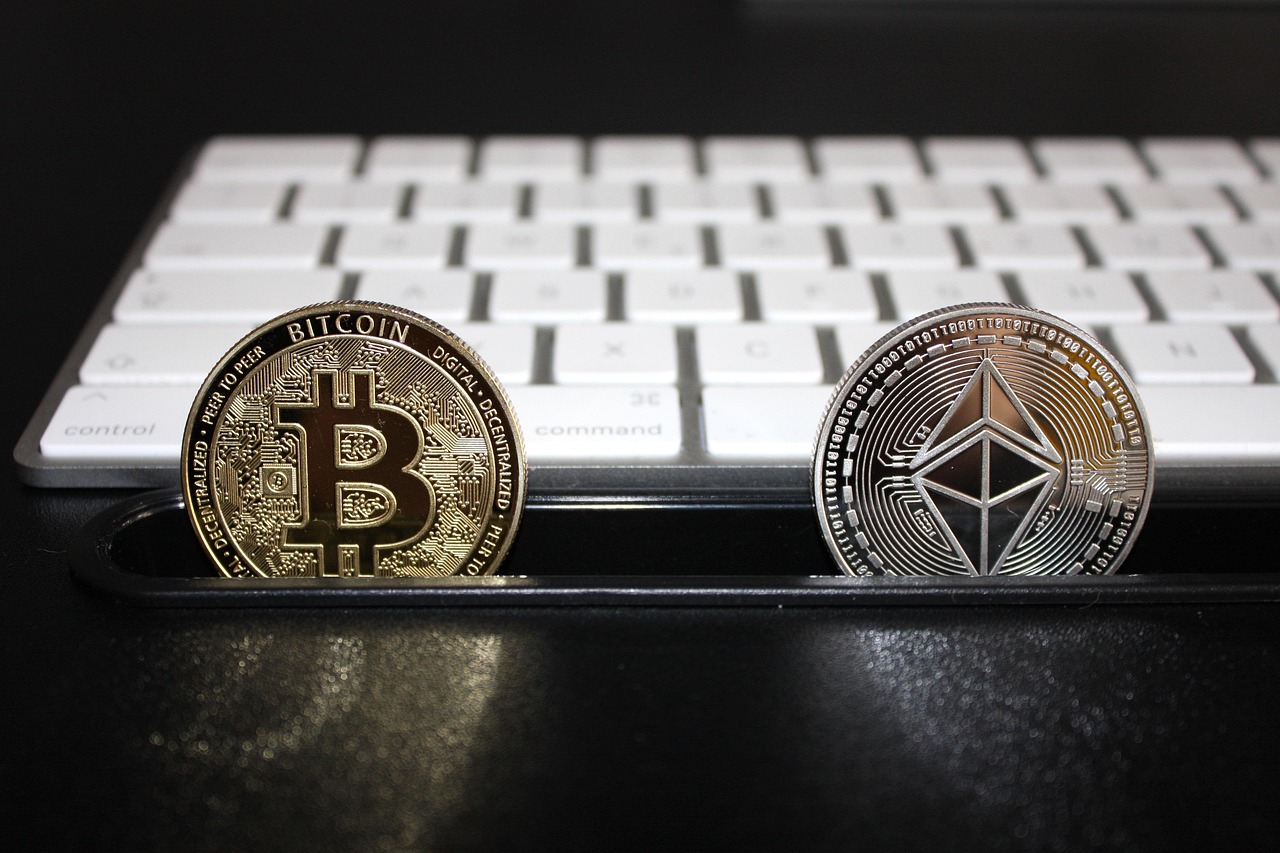
Additionally, some wallets now support an increasing variety of cryptocurrencies. This trend is indicative of the expanding ecosystem of digital assets. As new coins and tokens emerge, wallets that can accommodate a broader range of cryptocurrencies are becoming more attractive to users.
Enhanced Security Measures in Wallets
The definition of security in the context of cryptocurrency wallets is paramount, as digital assets are often targets for cyber threats. As the cryptocurrency market continues to evolve, the need for advanced security measures becomes ever more critical. Wallets are adopting multi-layered security protocols, such as biometric authentication and two-factor authentication (2FA), to strengthen their defenses against potential attacks.
One of the noteworthy updates in wallet security is the implementation of non-custodial storage solutions. This term refers to wallets that do not store private keys on behalf of the user, thereby reducing the risk of key theft. Instead, users maintain sole ownership of their keys, which enhances the overall security of their assets.
Another important aspect of wallet security is the regular updates and patches that developers are deploying in response to newly identified vulnerabilities. This process is critical for ensuring that wallets remain protected against emerging threats, thereby providing users with peace of mind.
User Experience and Interactivity
The user experience (UX) associated with cryptocurrency wallets is a significant factor in their adoption. Recent updates have placed a strong emphasis on making these wallets more user-friendly and interactive. This effort involves simplifying the interface and enhancing accessibility for users, regardless of their technical expertise. Explore the latest Crypto Wallet Update trends
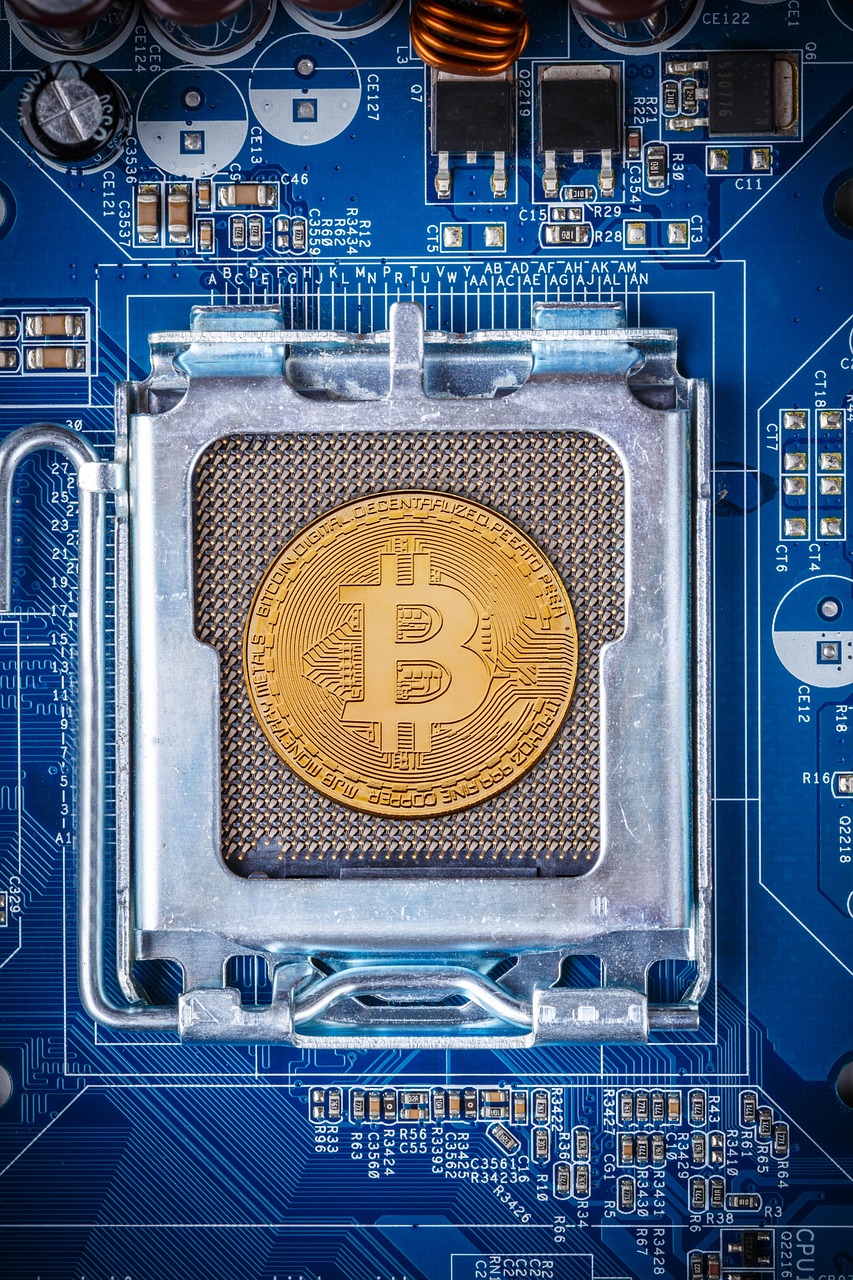
Information provided within wallets has also evolved. Many wallets now offer comprehensive dashboards where users can view their transaction history, manage different assets concurrently, and even receive real-time market updates. Such features are designed to provide users with an overview of their digital asset portfolio and facilitate informed decision-making.
Moreover, the integration of user education tools within wallets represents another update aimed at enhancing UX. These tools can guide users through transactions, explain the basics of cryptocurrencies, and outline security protocols, thereby fostering a better understanding of digital assets.
The Concept of Cross-Platform Accessibility
Cross-platform accessibility is another fundamental update in modern cryptocurrency wallets. As mobile devices become increasingly ubiquitous, wallet developers have recognized the importance of offering applications that are compatible across multiple platforms, including desktop, mobile, and web-based interfaces.
This approach means that users can access their digital wallets from various devices without sacrificing functionality or security. The ability to manage and conduct transactions seamlessly across devices is particularly appealing to users who lead on-the-go lifestyles.
The term “syncing” refers to the capability of a wallet to automatically synchronize data across different platforms, ensuring that users always have access to the most up-to-date information regarding their assets. Such features are essential in today’s fast-paced digital environment, where timely access to financial data can impact decisions. Deep dive into Crypto Wallet Update research
Integration with Decentralized Finance (DeFi)
The integration of cryptocurrency wallets with decentralized finance (DeFi) applications is a prominent development that reflects the ongoing evolution of the cryptocurrency landscape. DeFi refers to a broad range of financial services that are offered on blockchain platforms, which aim to replicate traditional financial systems without relying on centralized intermediaries.
Many modern wallets now support DeFi functionalities, such as lending, borrowing, and staking, allowing users to engage with these services directly. This integration enhances the overall utility of wallets and enables users to interact with various financial products in a decentralized manner.
The term “yield farming” has emerged within the DeFi space and describes the practice of using cryptocurrency to generate returns on investments through various DeFi protocols. This concept represents a new wave of financial opportunities accessible via compatible wallets, appealing to both novice and experienced investors.
Conclusion and Future Outlook
In conclusion, the realm of cryptocurrency wallets is undergoing significant updates that enhance security, improve user experience, and integrate with a broader range of financial applications. As technology continues to evolve, wallets are being redefined to meet the changing needs of users in an increasingly digital financial environment.
These advancements are not only expanding the functionality of wallets but also contributing to a more robust ecosystem for digital currencies. The ongoing development of security measures and user-friendly features will likely play a pivotal role in driving further adoption of cryptocurrencies among a wider audience.
As the landscape of cryptocurrency continues to evolve, the fundamental importance of cryptocurrency wallets as secure and efficient tools for managing digital assets remains paramount. The integration of education tools, advanced security measures, and cross-platform accessibility exemplifies the direction in which the industry is heading, ultimately fostering greater trust and engagement in the crypto space.
🔍 Top Takeaways
- Cross-platform compatibility is increasing the practical value of Crypto Wallet Update.
- Risk management remains essential when applying Crypto Wallet Update in live markets.
- Education and tooling are reducing barriers to entry for Crypto Wallet Update.
Why is Crypto Wallet Update important in crypto?
Crypto Wallet Update matters because it improves clarity, reduces uncertainty and supports better timing for trades and analysis.
How can beginners use Crypto Wallet Update effectively?
Beginners can use Crypto Wallet Update by applying it to their research flow and following structured steps to evaluate trends and data.
What are the risks and benefits of Crypto Wallet Update?
The main benefits of Crypto Wallet Update include clarity and speed, while risks involve volatility and incomplete market information.