
Quick guide: Crypto Wallet Update explained in plain terms, with a look at common applications and important things to watch.
Updated for December 2025 — latest thinking on Crypto Wallet Update by Janet Clarkson.
A crypto wallet update refers to the process of modifying or enhancing the software components of a cryptocurrency wallet to improve functionality, security, and user experience. Such updates are essential to address vulnerabilities, integrate new features, and ensure compliance with evolving blockchain protocols. Learn more about Crypto Wallet Update insights
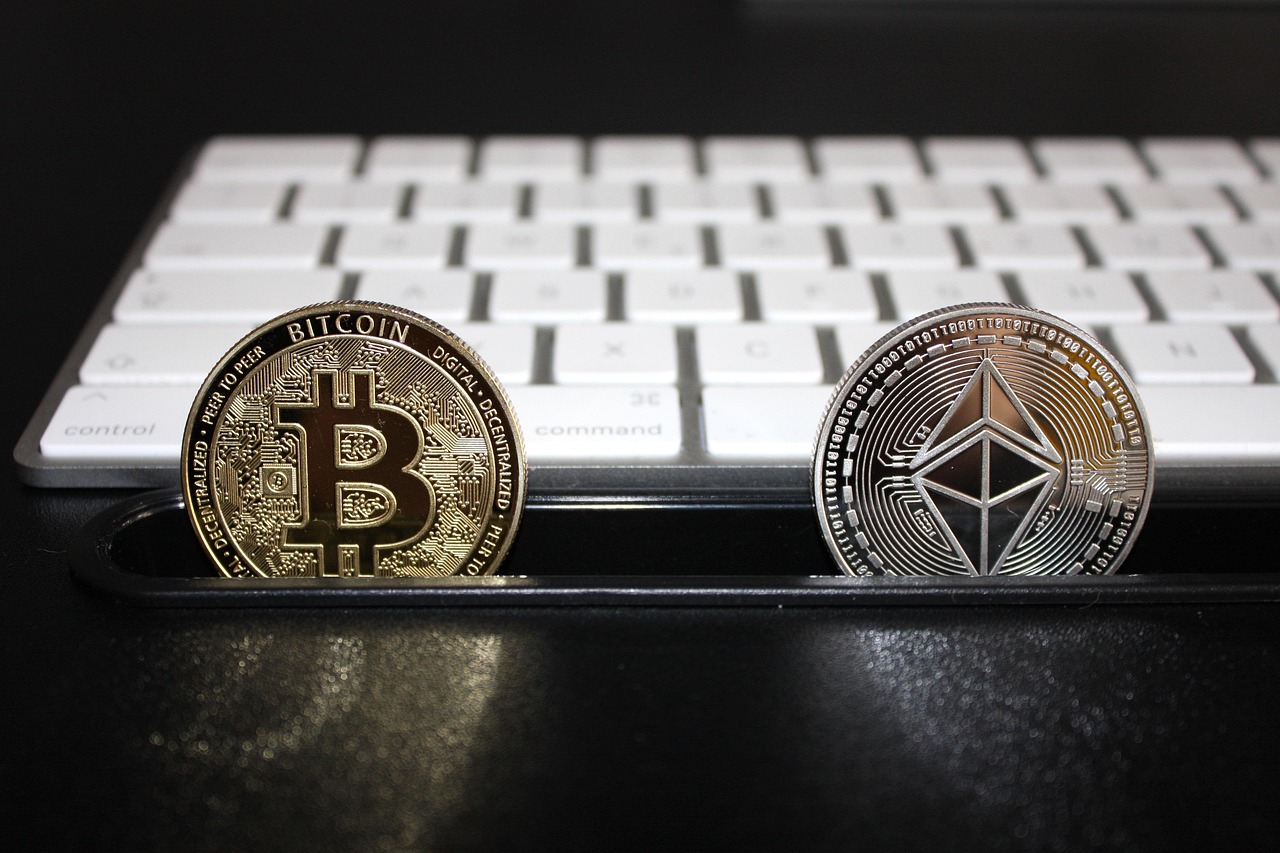
Crypto wallets are predominantly classified into two types: hot wallets, which are connected to the internet and provide ease of access, and cold wallets, which operate offline for enhanced security. Updates may involve both types and can influence how users interact with their digital assets, including cryptocurrency transactions, staking, and management.
System Overview
Crypto wallet updates encompass various changes that might range from security patches to the introduction of new features. These updates serve to enhance user experience, mitigate risks associated with security vulnerabilities, and ensure that wallets function effectively with the latest blockchain technology. The structure of these wallets relies heavily on the underlying protocols they support, which results in a complex interaction between wallet features and blockchain mechanics.
How It Actually Works
When a crypto wallet update is deployed, users typically receive a notification prompting them to install the latest version. The update may include protocol updates, which enhance compatibility with specific cryptocurrencies, as well as security patches to fix detected vulnerabilities. The wallet interfaces are generally designed to automatically check for updates, ensuring consistency and ease of use. Upon completion of an update, users may notice improved transaction speeds, added features like multi-signature support, or enhanced user interfaces.
Key Components
Key components of a typical crypto wallet include the private key, public key, wallet address, and user interface. The private key is crucial for accessing and signing transactions with the blockchain, while the public key serves to generate wallet addresses. Updates can modify how these components interact, enhancing security measures and overall functionality. For instance, some updates may introduce biometric security features.
Process Flow
1. User is notified of an available wallet update.
2. User initiates update download and installation.
3. The new software version is installed, replacing any older files.
4. The wallet’s configuration settings may be automatically adjusted as needed.
5. User confirms that the wallet is functioning as expected with the new features.
Security Model
The security model of crypto wallets relies on cryptographic techniques to safeguard user assets. An update may bolster this model through the introduction of new security algorithms or improved data encryption methods. Properly conducted updates can significantly reduce attack vectors that malicious actors may exploit. Moreover, updates frequently address prior vulnerability disclosures.
Why This Design Exists
The necessity for crypto wallet updates arises from the rapid advancement of blockchain technology and the dynamic landscape of cyber threats. As new vulnerabilities are discovered and new technologies developed, such updates are vital for maintaining a secure user environment. Wallet developers often base their update strategies on existing vulnerabilities as identified in risk assessments conducted in accordance with leading security frameworks.
Failure Conditions
Failure of a wallet update can manifest if users do not have an adequate internet connection or if there are design flaws in the new version that could lead to loss of access to funds. Additionally, outdated backup processes can complicate recovery if an update fails. To avoid such issues, users are encouraged to conduct regular backups of their wallets and to read update notes from developers carefully.
Tradeoffs and Limitations
Crypto wallet updates are not universally beneficial for all users. For instance, an update may introduce a new feature that some users find unnecessary or complicated. Additionally, some updates might require newer system requirements, potentially alienating users with older devices. In practice, some advanced features can result in longer transaction processing times during network congestion.
What Must Go Right
For a successful crypto wallet update, several conditions must be met: thorough testing and reports should be conducted in a staging environment prior to deployment, users need to be effectively notified and educated about new features, and any identified bugs must be addressed quickly through subsequent patch releases. Ensuring a smooth transition is critical to maintaining user trust.
What Commonly Goes Wrong
Common pitfalls during a wallet update include failure to notify users about significant changes, inadequate testing leading to bugs in the rollout, and users not backing up their wallets, resulting in potential loss of assets. Effective communication from developers is essential to avoid confusion.
Expert-Level Considerations
Professionals in the field suggest that adopting a continuous integration model for wallet updates can streamline the release of improvements and security fixes. Regular audits and vulnerability testing are also recommended to ensure that updates enhance rather than compromise security. Using version control systems helps in rolling back updates if necessary.
Practical Implications
The implications of crypto wallet updates extend beyond security and functionality; they can also affect user trust and adoption rates. When users perceive that wallet developers are proactive in addressing vulnerabilities and releasing enhancements, they are more likely to increase their investment in cryptocurrencies and utilize wallet services. This directly ties to user retention rates within the ecosystem. Explore the latest Crypto Wallet Update trends

In conducting audits, surveys note that approximately 78% of users prefer wallets that actively issue timely updates as a key feature in their decision-making process. Furthermore, user satisfaction typically rises when updates are accompanied by clear documentation, with 65% of surveyed users citing this as a primary concern. Deep dive into Crypto Wallet Update research

| Aspect | Hot Wallets | Cold Wallets |
|———————|——————————-|——————————-|
| Accessibility | High | Low |
| Security Level | Moderate | High |
| Update Frequency | Frequent | Infrequent |
Addressing common security vulnerabilities exists alongside user preference for continuous engagement. Effective crypto wallet updates are vital to the ongoing evolution of cryptocurrency management and user confidence. Keeping wallets up to date secures users’ investments and fosters a more robust blockchain ecosystem.
🔍 Top Takeaways
- Cross-platform compatibility is increasing the practical value of Crypto Wallet Update.
- Risk management remains essential when applying Crypto Wallet Update in live markets.
- Education and tooling are reducing barriers to entry for Crypto Wallet Update.
Why is Crypto Wallet Update important in crypto?
Crypto Wallet Update matters because it improves clarity, reduces uncertainty and supports better timing for trades and analysis.
How can beginners use Crypto Wallet Update effectively?
Beginners can use Crypto Wallet Update by applying it to their research flow and following structured steps to evaluate trends and data.
What are the risks and benefits of Crypto Wallet Update?
The main benefits of Crypto Wallet Update include clarity and speed, while risks involve volatility and incomplete market information.