
Quick guide: Crypto Wallet Update explained in plain terms, with a look at common applications and important things to watch.
Updated for December 2025 — latest thinking on Crypto Wallet Update by Janet Clarkson.
A crypto wallet update refers to the process of enhancing or modifying a cryptocurrency wallet’s software to improve security, functionality, or user experience. This process is essential to ensure that wallets remain secure against emerging threats and align with advancements in technology and regulatory compliance.
Crypto wallet updates exist primarily to address vulnerabilities, improve user interfaces, and introduce new features that enhance the overall usability of the wallet. Regular updates help maintain the integrity of user funds and protect against potential threats in the fast-evolving landscape of cryptocurrency.
Improving the security posture of crypto wallets is a continuous endeavor; however, such updates may not be suitable for all scenarios. Users with minimal transaction needs or those who prefer a more stable, less frequently changed environment might consider using wallets that prioritize stability over the latest features. Additionally, those using hardware wallets might avoid frequent software updates, as these are less susceptible to vulnerabilities than software-based alternatives. In real-world application, numerous users have experienced issues such as compatibility problems with older operating systems or conflicts with other software during updates, demonstrating the need for careful consideration before implementing these changes. Moreover, the introduction of new features can sometimes adversely affect performance, particularly in lightweight wallets constrained by hardware resources, thus necessitating users to weigh the benefits against potential drawbacks.
System Overview
Crypto wallets can be classified into two primary types: hot wallets and cold wallets. Hot wallets are connected to the internet and provide convenient access for transactions, while cold wallets offer offline storage, prioritizing security over ease of access. Updates can apply to both categories, but the implementation strategies and frequency may differ strikingly.
How It Actually Works
Learn more about Crypto Wallet Update insights
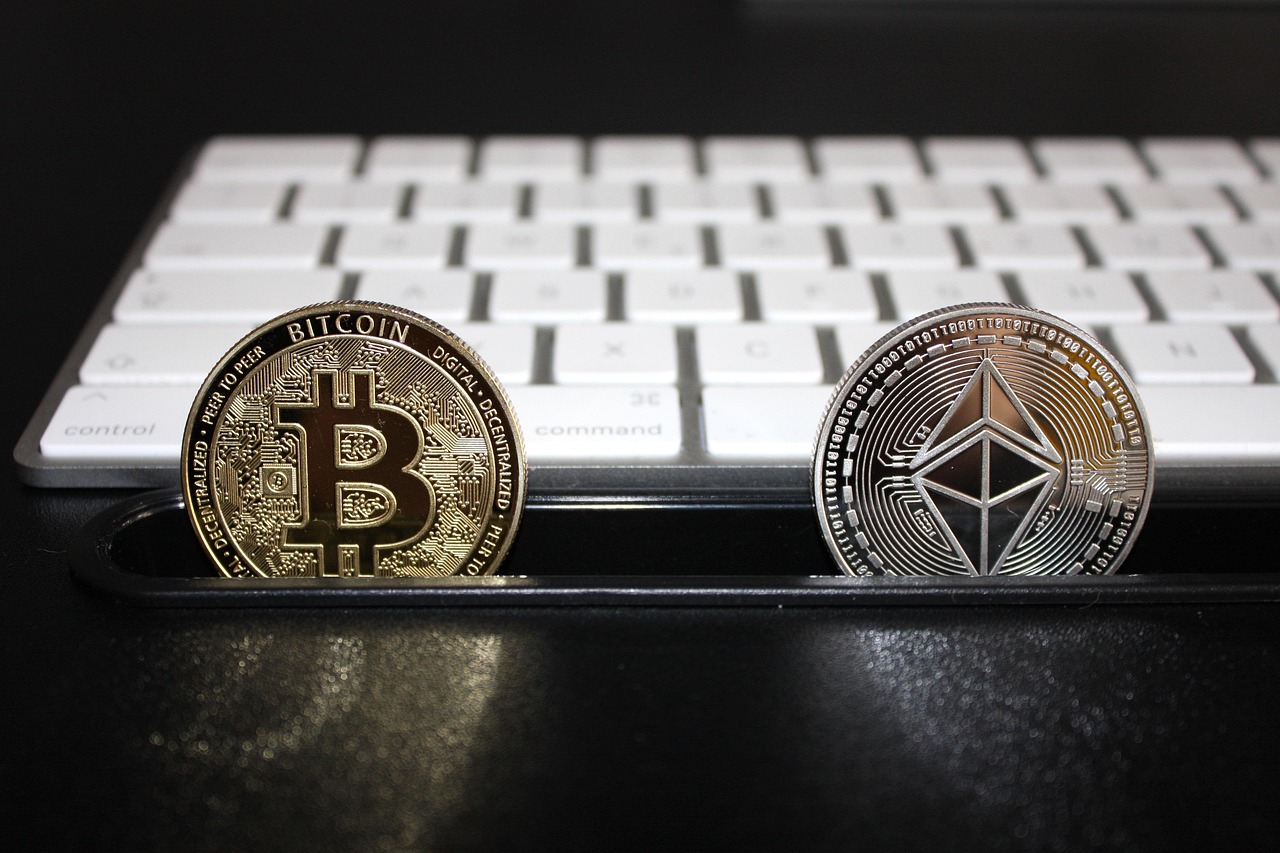
Wallet updates usually involve downloading the latest software version, which may include patches for security vulnerabilities, performance enhancements, or entirely new features such as added currency support. These updates typically undergo rigorous testing before release to ensure that they do not inadvertently disrupt existing functionalities.
Key Components
Key components of a crypto wallet update may include:
– Improved cryptographic algorithms to enhance transaction security.
– New user interface designs that streamline operations.
– Integration of additional cryptocurrencies or tokens for broader asset management.
Process Flow
1. Detect the availability of a new wallet version.
2. Backup existing wallet data to prevent loss.
3. Download the update from a trusted source.
4. Install the update, ensuring no disruptions occur during the process.
5. Verify the successful installation and perform a test transaction.
Security Model
The security model for crypto wallet updates focuses on safeguarding user data and funds throughout the updating process. This involves cryptographic mechanisms to verify the integrity of the update files and ensuring that the update source is legitimate. Additionally, multi-signature requirements may be implemented to enhance transaction security post-update.
Why This Design Exists
Explore the latest Crypto Wallet Update trends

The need for regular updates is underscored by persistent threats in the cryptocurrency space, including hacking attempts and malware targeting wallet addresses. As the ecosystem evolves, so do the tactics employed by malicious actors, making it paramount for wallet developers to adapt quickly through updates.
Failure Conditions
Several failure conditions can arise during a crypto wallet update process, such as:
– Incomplete installation, which may lead to corrupted wallet data.
– Compatibility issues with existing hardware or software configurations.
– User errors caused by a lack of understanding of the update process.
Tradeoffs and Limitations
One limitation of frequent updates is the potential for introducing new bugs or performance issues. Users may experience temporary loss of access or decreased functionality during transitional periods. Moreover, updates can necessitate user involvement and comprehension of technical steps, which may not be feasible for all users.
What Must Go Right
For a successful wallet update, several factors must align:
– The user’s environment must meet all required system specifications.
– The download must originate from a verified and trusted distribution channel.
– The update must be tested thoroughly to ensure no loss of essential features.
What Commonly Goes Wrong
Deep dive into Crypto Wallet Update research

Common pitfalls in the update process include neglecting to back up wallet data before proceeding, leading to irreversible losses in the event of failure. Additionally, users might inadvertently install updates from dubious sources, potentially compromising wallet security.
Expert-Level Considerations
In practice, maintaining a well-planned update schedule is vital. Engaging with community forums for feedback on the update impacts can provide deeper insights that direct future updates. Moreover, utilizing established frameworks for software releases, such as Agile, can enable more responsive and iterative updates aligned with user needs.
Practical Implications
For the end-user, keeping a crypto wallet updated is crucial for safeguarding assets. As threats evolve, so too must the defenses protecting those assets. Being proactive in applying updates ensures that users remain secure and that wallets maintain compatibility with the latest technologies and protocols.
Education Confidence Summary
Understanding the importance and mechanics of crypto wallet updates empowers users to manage their cryptocurrency securely. It instills confidence in navigating the complexities of wallet technologies and reinforces the necessity for consistent maintenance.
| Characteristic | Hot Wallets | Cold Wallets |
|———————|——————————-|——————————-|
| Connectivity | Online, allows easy transactions | Offline, very secure |
| Accessibility | High, user-friendly | Limited, requires physical access |
| Update Frequency | Regular, often automated | Infrequent, user-initiated |
In summary, crypto wallet updates are essential in maintaining security and functionality. Awareness of the risks and procedures associated with these updates equips users with the knowledge necessary to protect their digital assets effectively.
🔍 Top Takeaways
- Cross-platform compatibility is increasing the practical value of Crypto Wallet Update.
- Risk management remains essential when applying Crypto Wallet Update in live markets.
- Education and tooling are reducing barriers to entry for Crypto Wallet Update.
Why is Crypto Wallet Update important in crypto?
Crypto Wallet Update matters because it improves clarity, reduces uncertainty and supports better timing for trades and analysis.
How can beginners use Crypto Wallet Update effectively?
Beginners can use Crypto Wallet Update by applying it to their research flow and following structured steps to evaluate trends and data.
What are the risks and benefits of Crypto Wallet Update?
The main benefits of Crypto Wallet Update include clarity and speed, while risks involve volatility and incomplete market information.